ID: 53104


Omschrijving
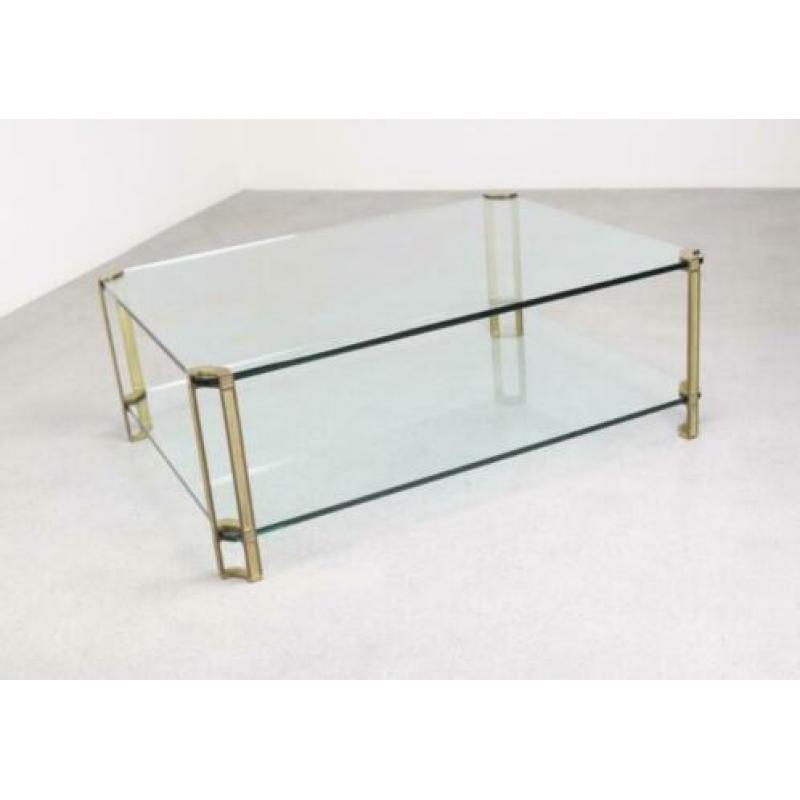
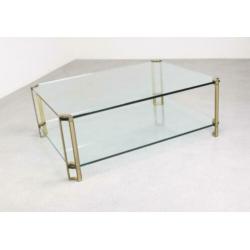
83 x 120 x 44 cm
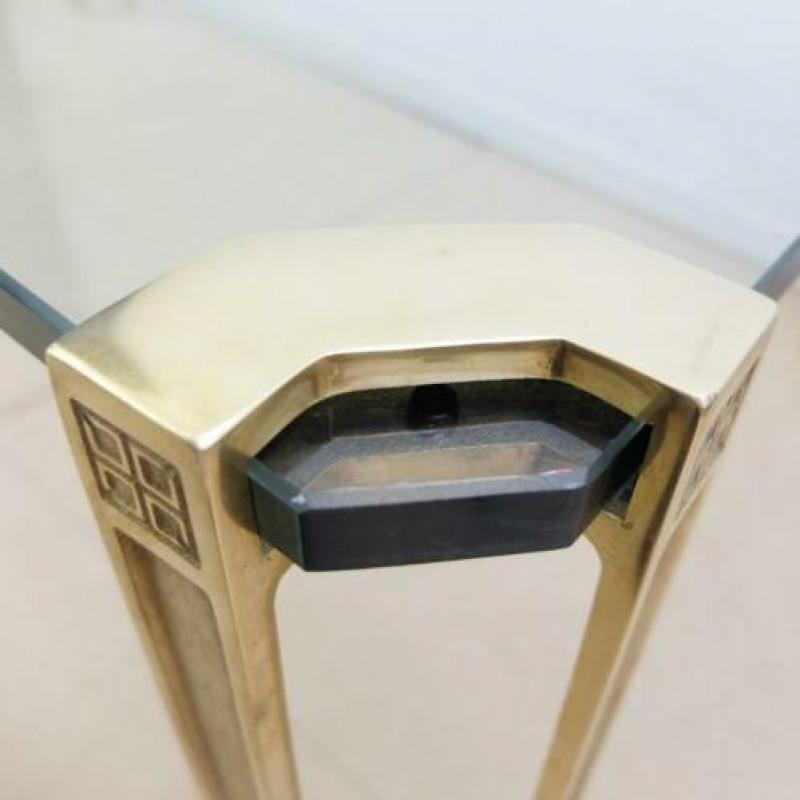
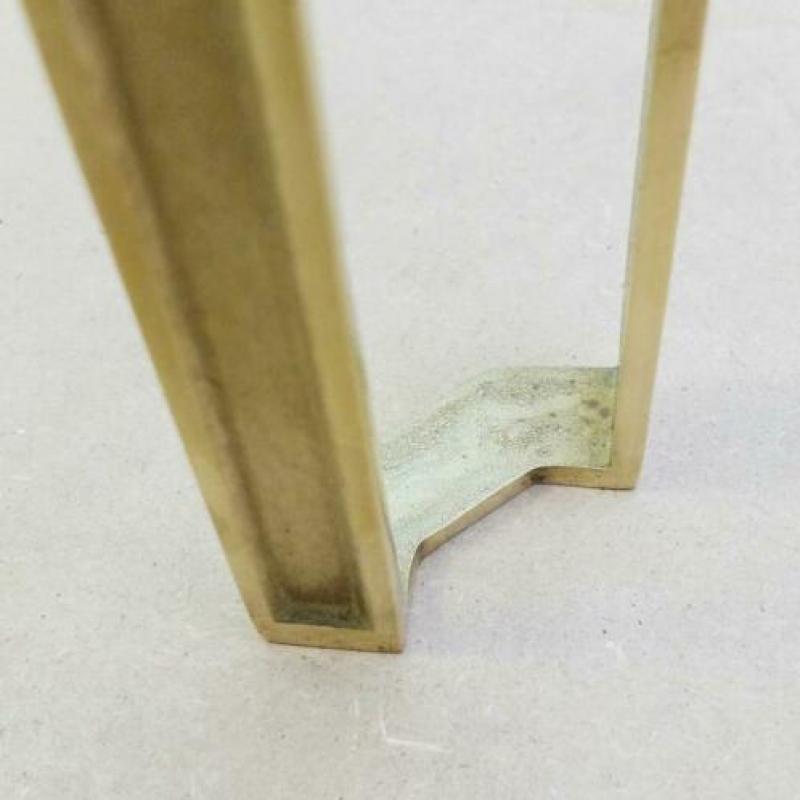
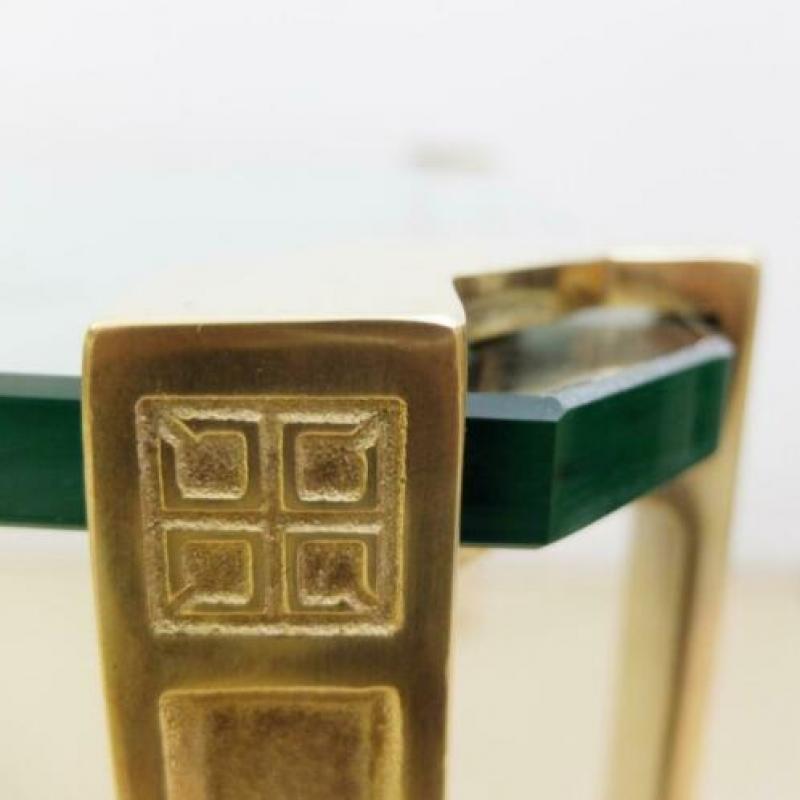
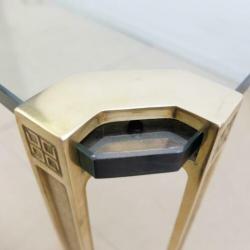
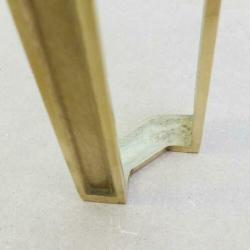
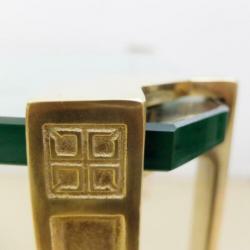
Werkelijk prachtig exemplaar. Foto\'s zijn een zelfde tafel gepoetst.Mijn exemplaar is warmer van kleur maar omdat sommige mensen dar mooier vinden is de tafel niet gepoetst. Dat toont dan zoals de laatste 3 foto\'s.
Over de designer:
German designer Peter Ghyczy was born in Budapest, Hungary in 1940. Following political unrest, Ghyczy’s family fled Budapest in 1956, moving first to Vienna, then to Bonn in Germany. Ghyczy finished his secondary education in Germany, studying sculpture in Düsseldorf before studying architecture at the Technical University of Aachen in 1960, specializing in constructional engineering. He graduated in 1967, having written his thesis on unconventional school buildings. During his studies, Ghyczy worked as an assistant to renowned German architect Rudolf Steinbach (1903-1966), and on projects in Paris and Egypt. In 1969, he became a German citizen.
After graduating, Ghyczy worked on a large number of designs produced by furniture makers and factories in Germany, including Vitra. Ghyczy’s most successful design in this period was the Garden Egg Chair (1968) for Reuter, which remains one of his most recognizable designs today and is one of the earliest known examples of a hinged chair.
Sometime in the early 1970s, the designer moved to Swalmen in the Netherlands where he founded his own design studio. For his first furniture collection, Ghyczy developed a new way of fixing glass to metal, which resulted in a series of coffee tables , side tables , and dining tables known as the Pioneer Series (1970s). The technique used on the tables has since become Ghyczy’s signature, and is exemplified particularly through the delicate, floating appearance of the frameless glass, which is secured with a single screw. The R03 Shelf uses the same concept, which was patented by Ghyczy in the early 1970s.
Today, Ghyczy’s designs from the 1970s are highly sought-after by collectors and fetch high prices on the vintage market.
Werkelijk prachtig exemplaar. Foto\'s zijn een zelfde tafel gepoetst.Mijn exemplaar is warmer van kleur maar omdat sommige mensen dar mooier vinden is de tafel niet gepoetst. Dat toont dan zoals de laatste 3 foto\'s.
Over de designer:
German designer Peter Ghyczy was born in Budapest, Hungary in 1940. Following political unrest, Ghyczy’s family fled Budapest in 1956, moving first to Vienna, then to Bonn in Germany. Ghyczy finished his secondary education in Germany, studying sculpture in Düsseldorf before studying architecture at the Technical University of Aachen in 1960, specializing in constructional engineering. He graduated in 1967, having written his thesis on unconventional school buildings. During his studies, Ghyczy worked as an assistant to renowned German architect Rudolf Steinbach (1903-1966), and on projects in Paris and Egypt. In 1969, he became a German citizen.
After graduating, Ghyczy worked on a large number of designs produced by furniture makers and factories in Germany, including Vitra. Ghyczy’s most successful design in this period was the Garden Egg Chair (1968) for Reuter, which remains one of his most recognizable designs today and is one of the earliest known examples of a hinged chair.
Sometime in the early 1970s, the designer moved to Swalmen in the Netherlands where he founded his own design studio. For his first furniture collection, Ghyczy developed a new way of fixing glass to metal, which resulted in a series of coffee tables , side tables , and dining tables known as the Pioneer Series (1970s). The technique used on the tables has since become Ghyczy’s signature, and is exemplified particularly through the delicate, floating appearance of the frameless glass, which is secured with a single screw. The R03 Shelf uses the same concept, which was patented by Ghyczy in the early 1970s.
Today, Ghyczy’s designs from the 1970s are highly sought-after by collectors and fetch high prices on the vintage market.